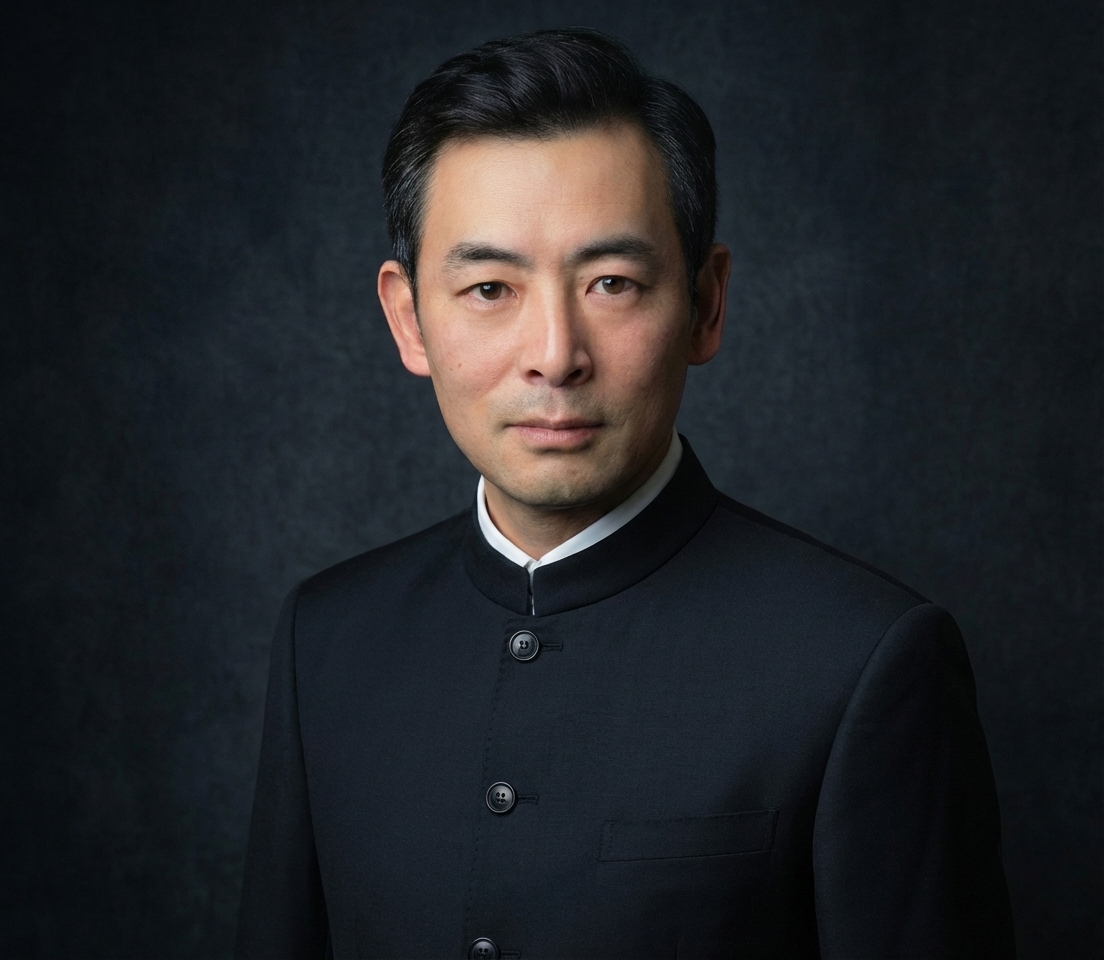
Andrei Tarkovsky
A central reference point for questions of memory, autobiography, time, and the audiovisual world of cinema.
Tarkovsky matters on this site less as a canonical auteur than as a pressure point where several arguments meet. Notes on The Mirror treats The Mirror (1975) as a watershed in his career and resists the reflexive label “his most autobiographical film”: “Yes, but which one is less autobiographical? How can one be allured to think that a poet is capable of describing any historical event, watching any old house, reciting any poem, doing anything at all without the profound involvement of his self? All poetry is autobiographical.”
What the essay extracts from The Mirror is a working theory of how cinema operates on memory: “Emotion, memory and senses are inseparable. One always evokes the other. This seemingly innocuous statement in fact leads to cinema’s greatest potential: cinema works through our senses to arrive at our memory, our emotion, this depth beyond all rational thoughts.” That is the line that travels into the rest of the site. Tarkovsky becomes the test case for a worlding theory of cinema: a filmmaker for whom memory, image, and sound coexist without collapsing into a neatly decoded meaning.
The essay reads specific sequences with care — the ablution, the levitation, the breaking-glass — and pairs them with Tarkovsky’s own formulations from Sculpting in Time: “How does time make itself felt in a shot? It becomes tangible when you sense something significant, truthful, going on beyond the events on the screen; when you realise, quite consciously, that what you see in the frame is not limited to its visual depiction, but is a pointer to something stretching out beyond the frame and to infinity; a pointer to life.” Slow motion in The Mirror is read against “disfiguring” and “vulgarizing” slow motion elsewhere, including a self-criticism Tarkovsky himself made about the cockerel sequence. The essay is also blunt about Tarkovsky’s weaknesses — the “dyslexia” of his more programmatic theological prose, the over-symbolism of The Sacrifice and Nostalgia — and treats The Mirror as the moment before that tendency takes hold.
The World Heard pushes the same intuition into theory by asking what happens if cinema is best understood as an inhabited world and if sound is one of the main forces that gives that world depth. Tarkovsky is the implicit example throughout: his obsession with water, fire, animals, weather, and silence is exactly the kind of sound-image weave that the dissertation’s “worlding theory” is built to explain.
In Praise of Laconic Cinema closes the loop. Tarkovsky’s principle that “in an ideal situation, words themselves should become ’noises’, thus part of the non-distinguishable reality of the world” gives the laconic-cinema essay its starting position. Bergman’s anecdote — watching Andrei Rublev without subtitles and being transfixed — is what triggers the essay’s central distinction: voice is not dialogue, and what survives translation is the way a voice sounds inside a film’s world.
That is why Tarkovsky keeps returning across the site. He lets close formal analysis connect to larger questions about time, autobiography, silence, and cinematic experience without forcing any of them through a single interpretive grid.
Related
Read Next
- Notes on The Mirror
Emotion, memory and senses are inseparable. One always evokes the other. This seemingly innocuous statement in fact leads to cinema’s greatest potential.
- In praise of laconic cinema, or films that don’t talk
There are films that talk a lot; and there are films talk a little. But finally, there are films that don’t talk at all. Is talking essential to cinema?