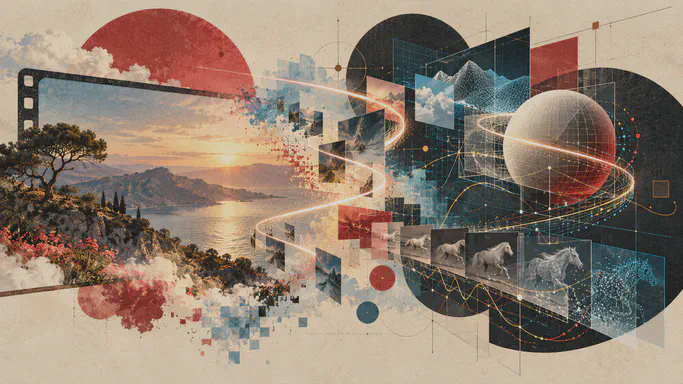
Algorithmic Motion: The Other AI Video Revolution
Diffusion video brought AI into the moving image first. Algorithmic motion may ultimately matter more because it turns motion into a writable, revisable, and scalable visual system.
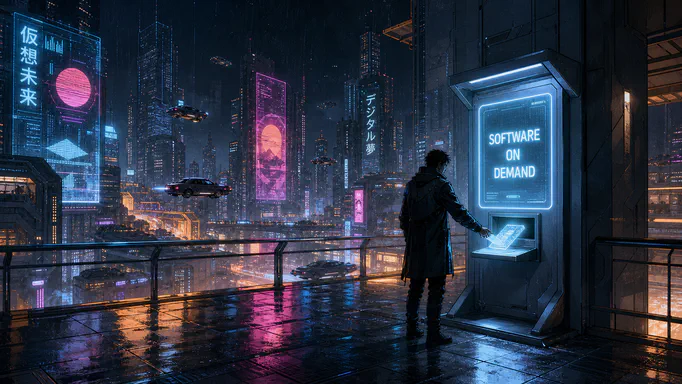
The Age of Disposable Software
AI has made software generation so cheap that an entire category is now born disposable — created for a single context, used once, and discarded when the moment passes.
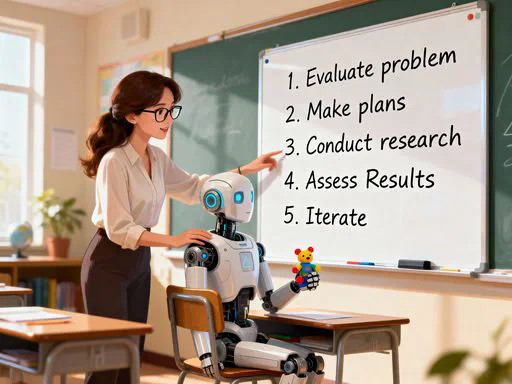
To Think or not to Think - How "Reasoning" in LLMs Evolved
Reasoning in large language models is an important shift in artificial intelligence: from instant responses to deliberate problem-solving. How does the reasoning work? In what ways can this feature be implemented? What are its current limitations?
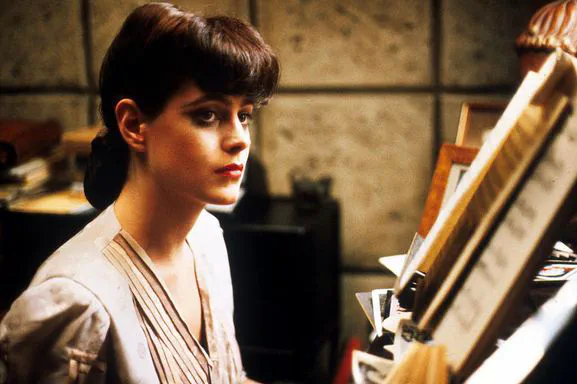
AI Companionship on the Rise
The most consequential near-term use of voice AI is companionship, not productivity. AI companionship is rapidly emerging as a transformative force, reshaping human relationships by offering emotionally responsive, ever-present, and personalized virtual partners.
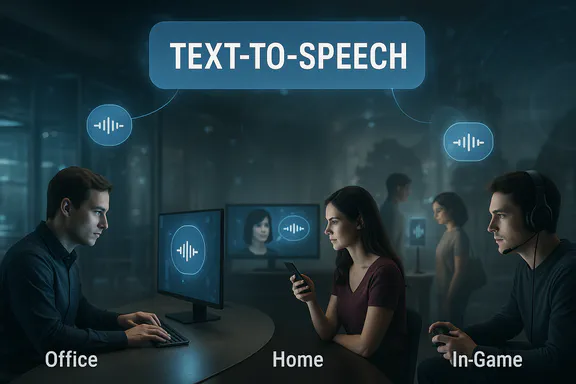
The State of TTS: early 2025
Where AI speech synthesis stands in early 2025: hands-on test results, and why realistic text-to-speech is already displacing professional voice talent.
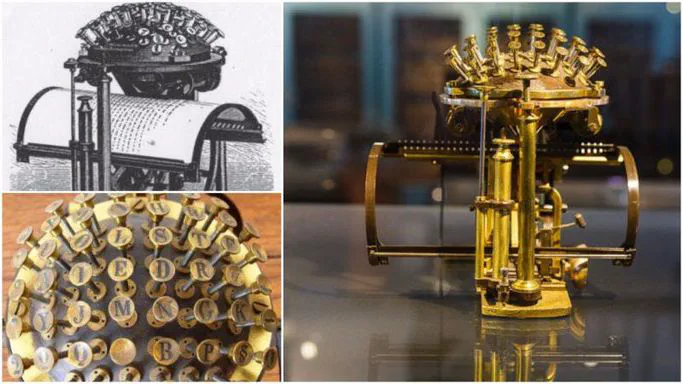
The Work of Writing in the Age of AI
We are on the cusp of entering an exciting new era in the realm of writing, which I refer to as the third stage, AI-collaborated writing.
The Work of Writing in the Age of AI
“We shape our tools and thereafter our tools shape us.” — Marshall McLuhan
Atlas · Topics
“We shape our tools and thereafter our tools shape us.” — Marshall McLuhan
Atlas · People
“We shape our tools and thereafter our tools shape us.” — Marshall McLuhan
Atlas · Concepts
“We shape our tools and thereafter our tools shape us.” — Marshall McLuhan
Atlas
“We shape our tools and thereafter our tools shape us.” — Marshall McLuhan
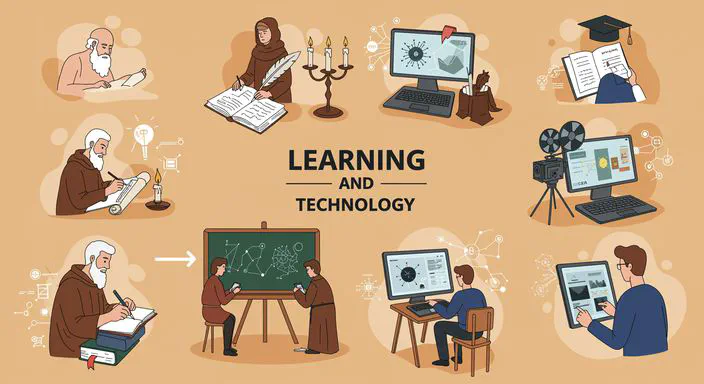
Technologies of Learning, a 2024 Primer
A 2024 primer on the technologies reshaping how we learn, framed by McLuhan's idea of media as extensions of man.
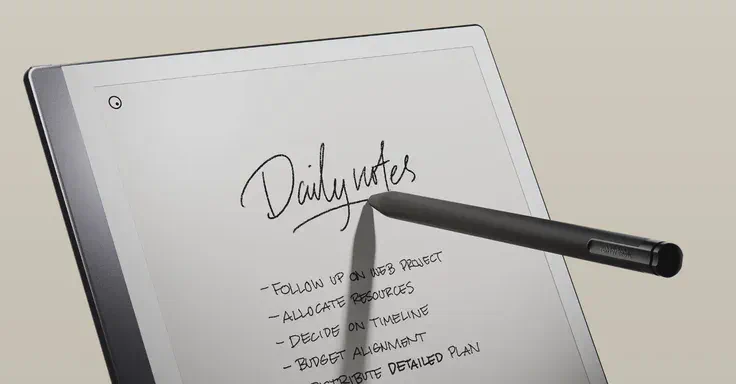
Tabwriting and the future of writing technology
A 2011 essay placing handwriting on the iPad — 'tabwriting' — within the long history of writing technologies, from pen and paper to the keyboard.
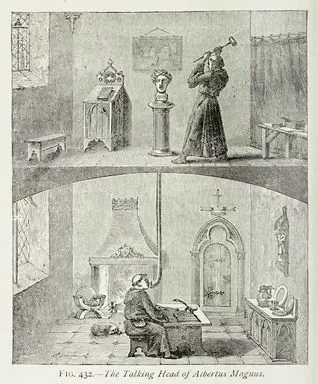
From Turks to HAL: the eccentric journey of voice machines
How far have we gone to reproduce the human voice; are we there yet?