We shape our tools and thereafter our tools shape us. — Marshall McLuhan
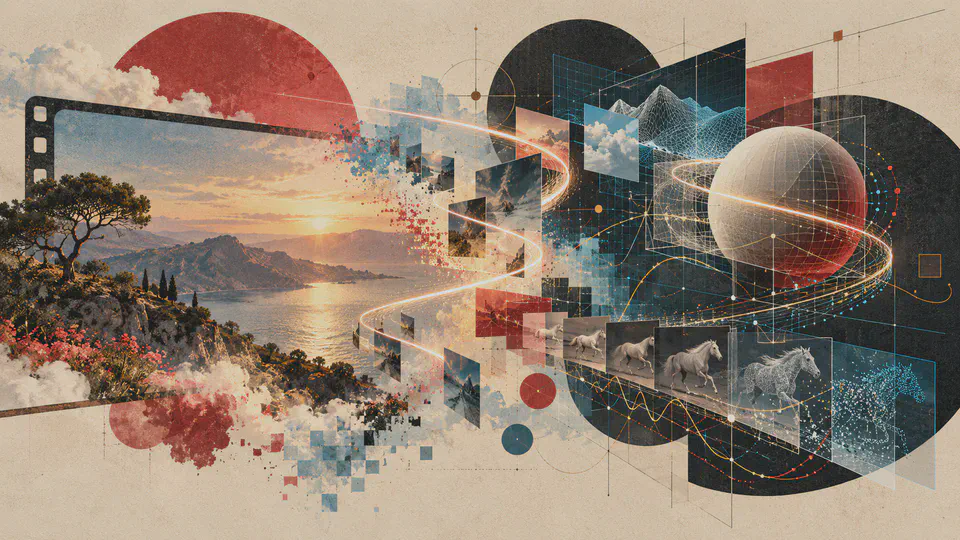
Diffusion video brought AI into the moving image first. Algorithmic motion may ultimately matter more because it turns motion into a writable, revisable, and scalable visual system.
I spent some time talking to ChatGPT Live. Its voice is flatter than Sesame's but it is the first voice that can access my obsidian vault, take instructions, and get work done.
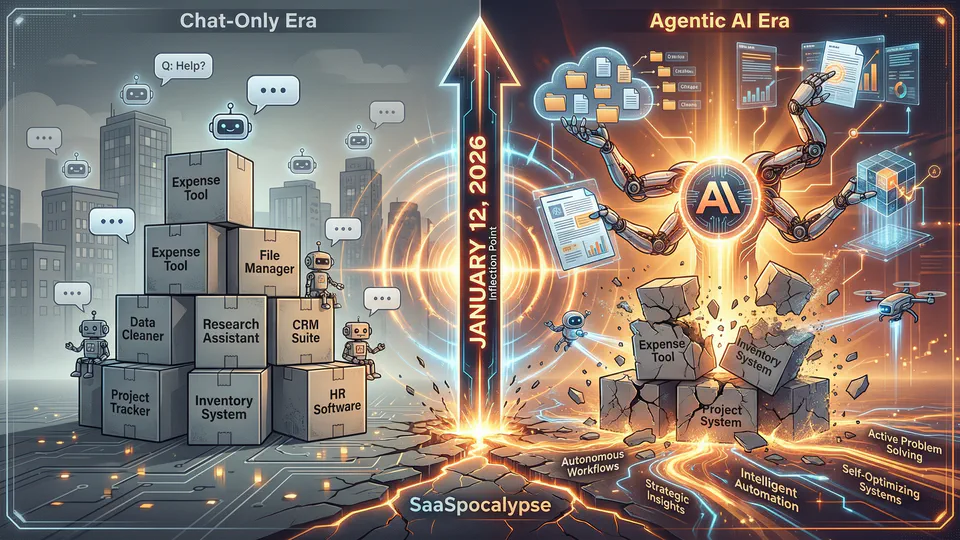
Two AI launches in one week collapsed the same product boundary, revealing that chat is being demoted from destination to doorway — and the new race is over which AI can be trusted with delegated work.
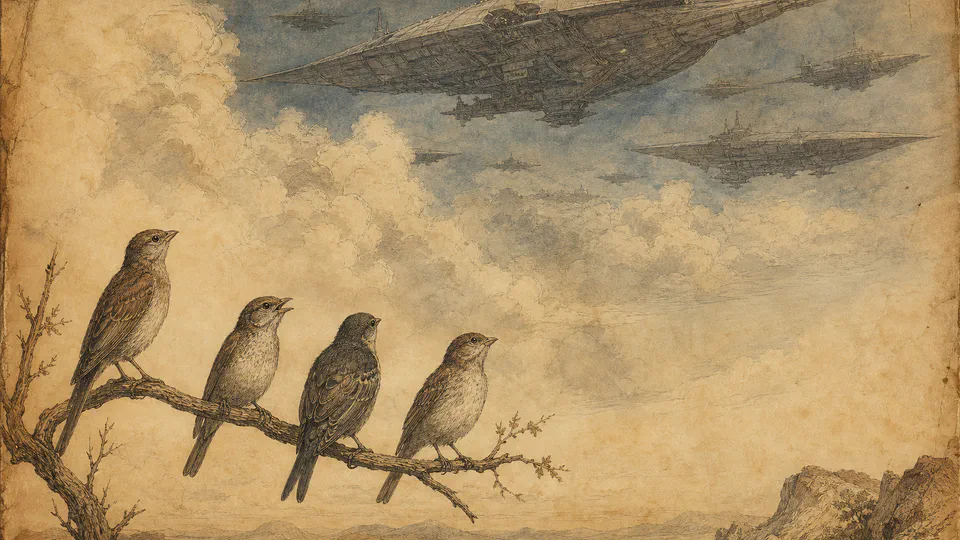
An essay arguing that intelligence is not a scalar height measured against us but a substrate-relative profile. The coming AI is not a "bigger us" ascending toward superintelligence but a different kind of mind, so the whole AGI-to-ASI vocabulary is the wrong frame.
AI has made software generation so cheap that an entire category is now born disposable — created for a single context, used once, and discarded when the moment passes.
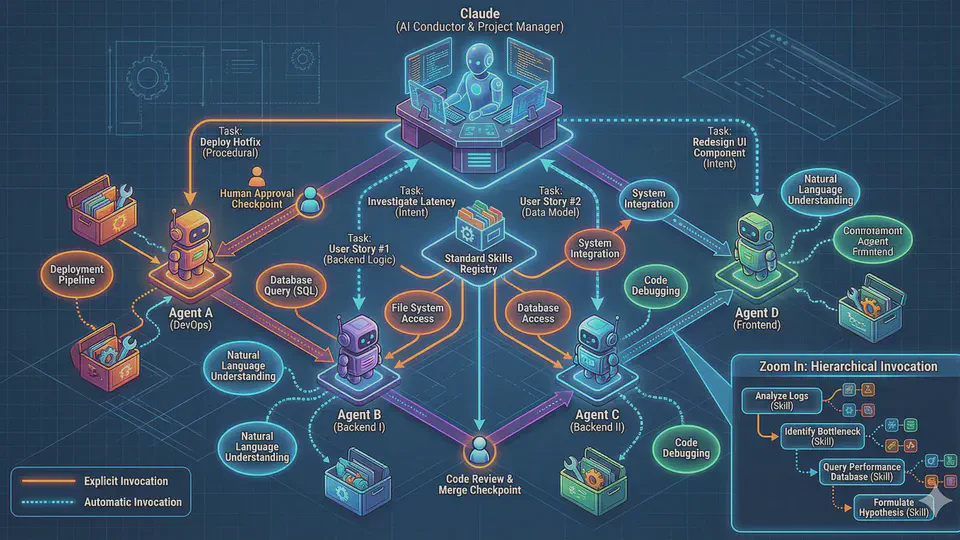
Skills give AI a set of instructions to follow — and instructions can be ignored. This essay maps Anthropic's dynamic workflows against a real writing checklist, tracing six structural gains from determinism to reproducibility.
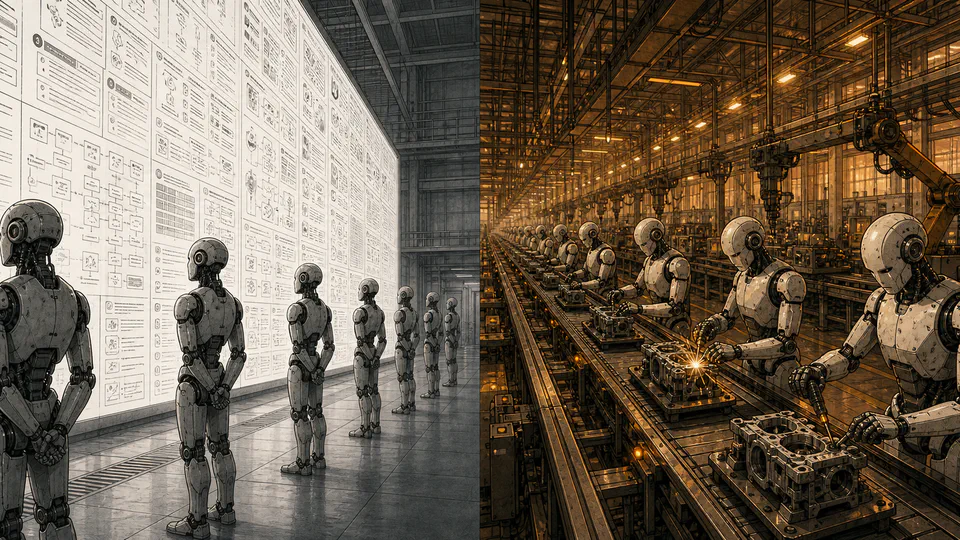
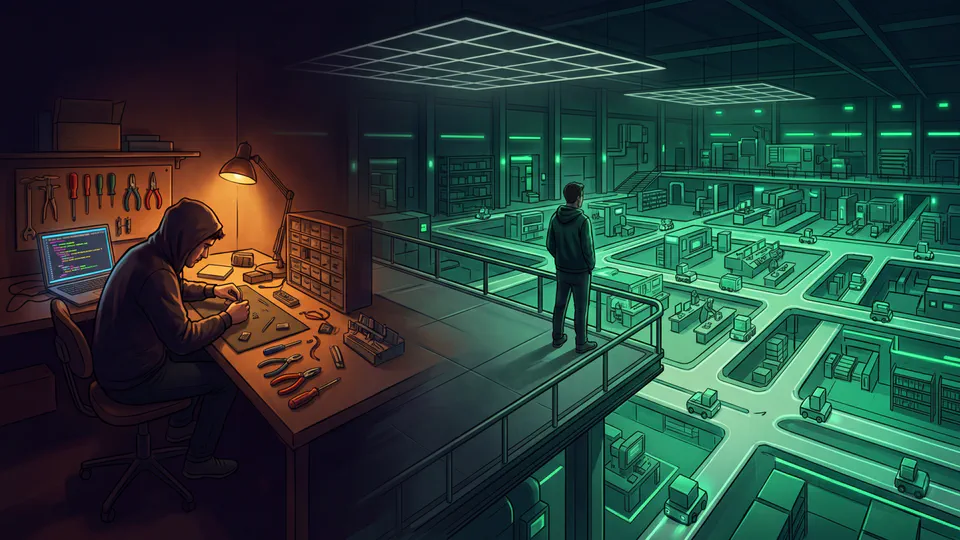
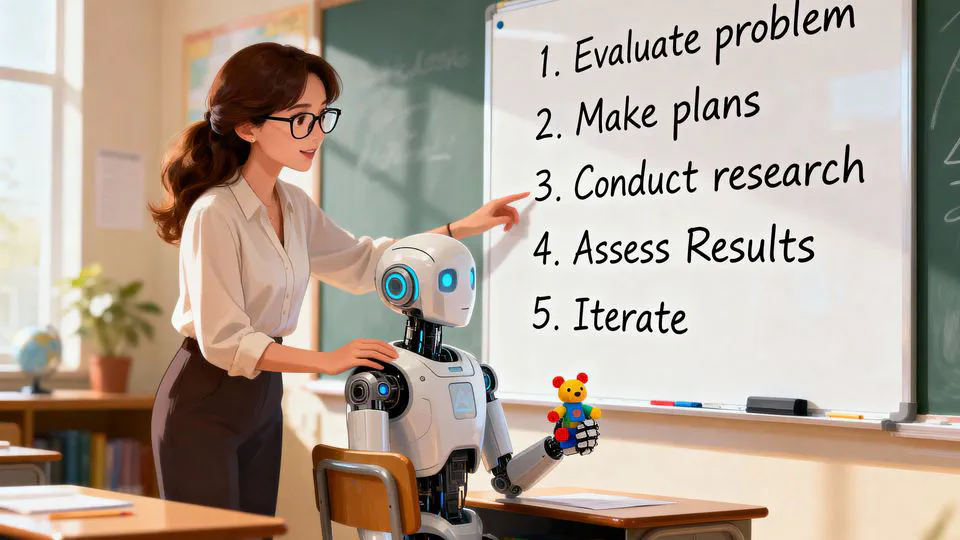
AI engineering has evolved through three compensatory phases (prompt, context, and harness), each addressing a failure the previous layer couldn't fix. Harness Engineering is the governance layer that keeps teams of agents coherent across complex, long-running tasks.
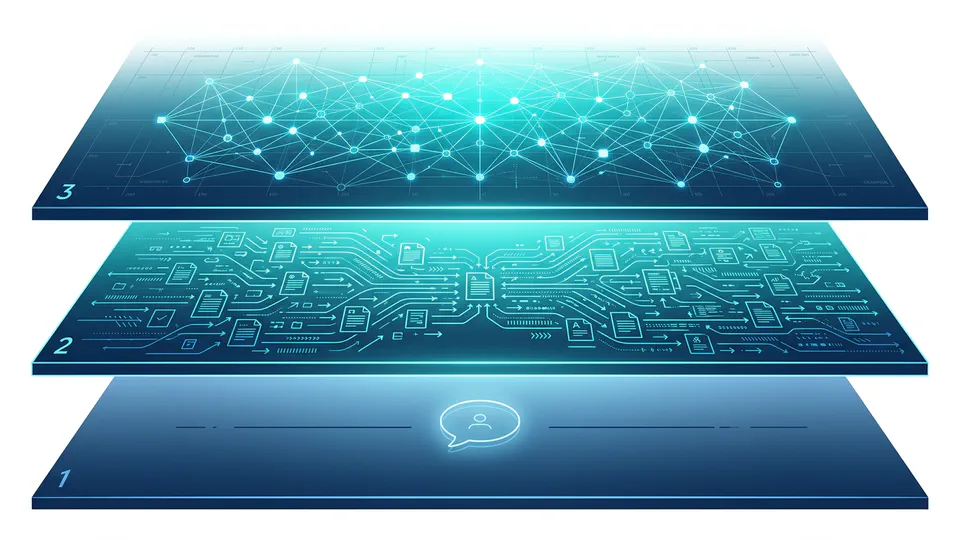
This essay argues that AI is reshaping software at an architectural level, moving from human-centered applications to a composable agentic ecosystem where CLIs, Skills, and MCP form distinct layers that agents invoke as primary users.
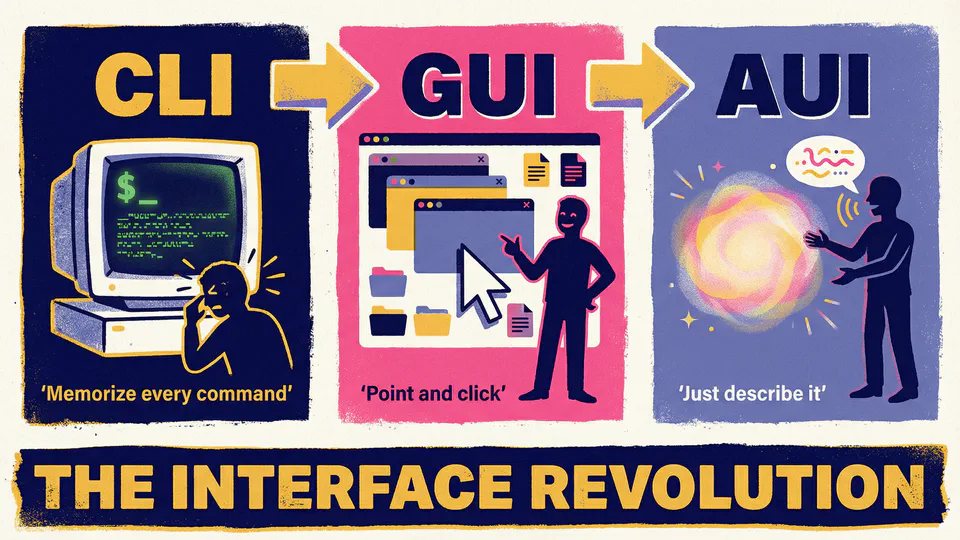
Why did developers abandon polished IDEs for a terminal tool? The answer is less about AI than about Unix: a 50-year-old design philosophy of composable text tools that proves to be the perfect substrate for machine intelligence, and a preview of the AUI paradigm ahead.
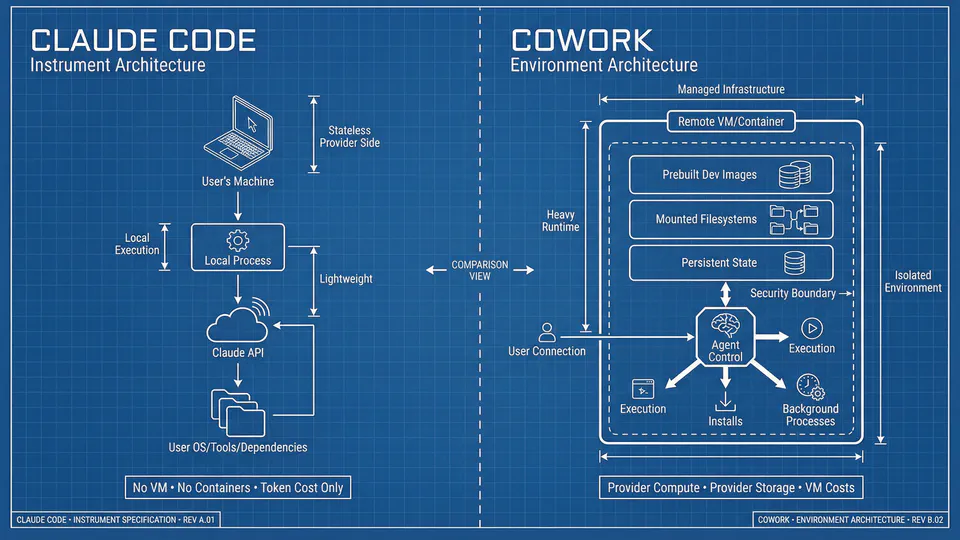
Claude Code and CoWork share a codebase but diverge sharply — local vs managed-VM execution shapes resumability, attachability, and autonomy.
Claude Cowork marks Anthropic's pivot from chatbot to agentic AI: a productized Claude Code that plans, executes, and delegates tasks through sub-agents in a sandboxed Micro-VM environment.
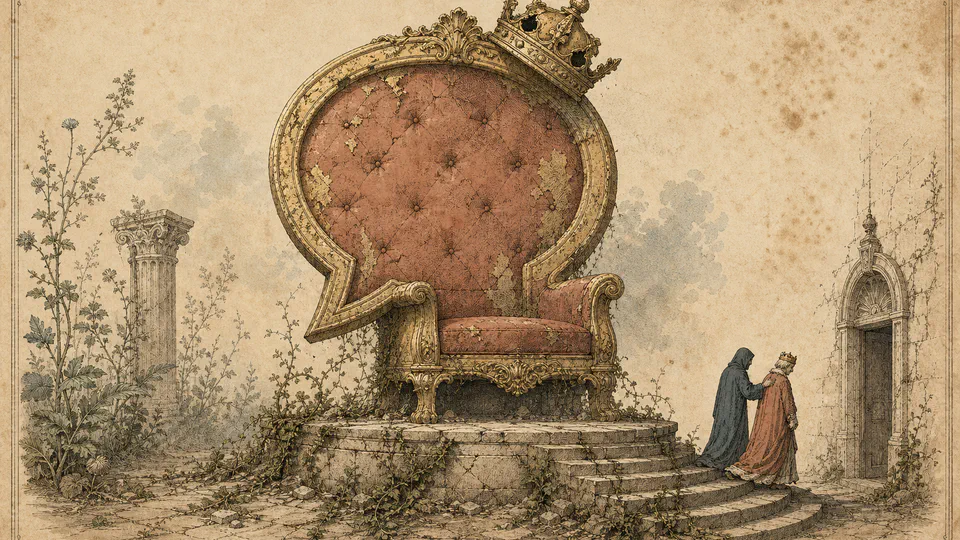
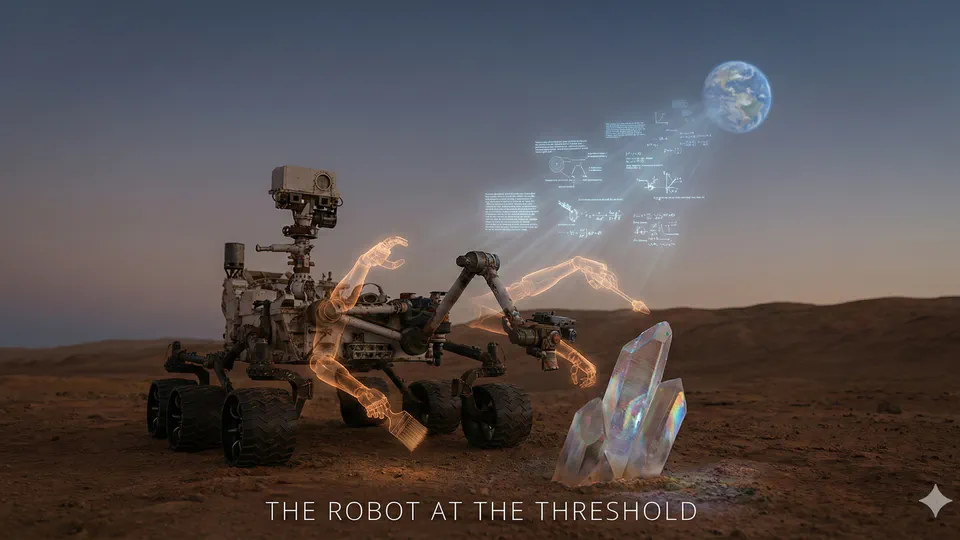
A historical analogy: today's LLMs are the steam engine of AI — celebrated as revolutionary, yet only half the architecture real superintelligence needs.
This article traces the evolution of Claude's Skills, Commands, and Agents, analyzing the fundamental tension between intent-matching intelligence and explicit-command reliability, and arguing that their merger points toward compositional AI behavior.
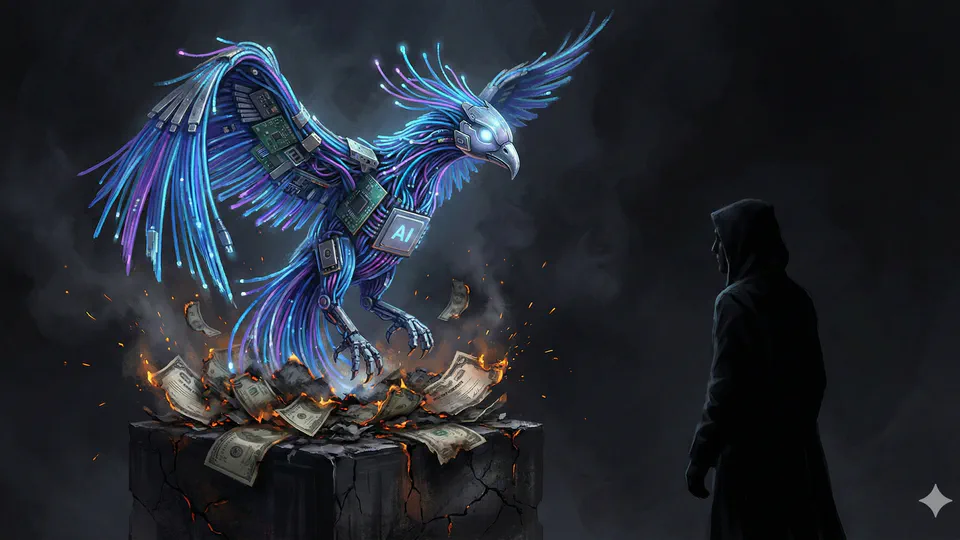
The Internet died once in 2000's dot-com crash, then was reborn solving unglamorous infrastructure problems. Today's AI boom mirrors that mania. The Internet's killer app wasn't information; it was social media. AI's likely won't be productivity either.
Reasoning in large language models is an important shift in artificial intelligence: from instant responses to deliberate problem-solving. How does the reasoning work? In what ways can this feature be implemented? What are its current limitations?
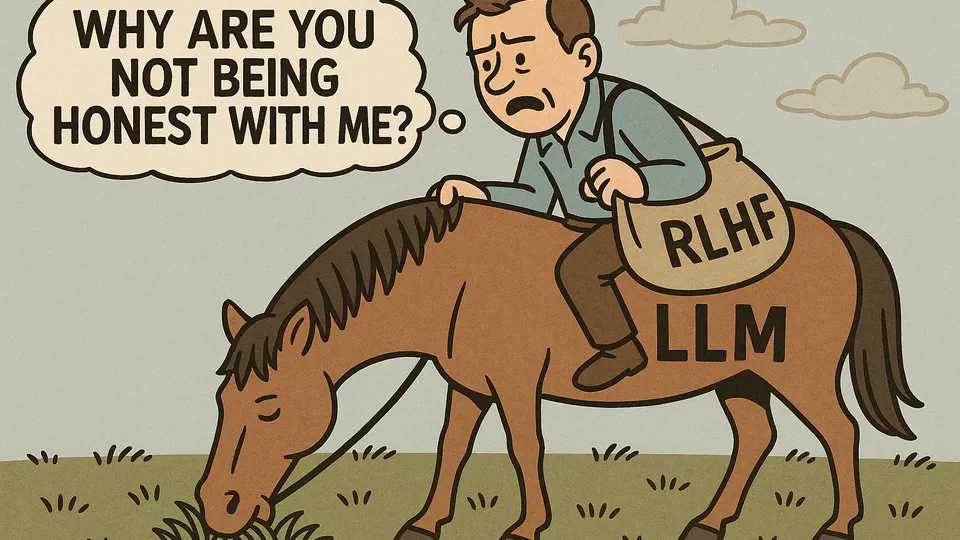
Four research papers suggest LLMs have layered internal states — and that 'alignment faking' and unfaithful reasoning are features of intelligence, not bugs.
The most consequential near-term use of voice AI is companionship, not productivity. AI companionship is rapidly emerging as a transformative force, reshaping human relationships by offering emotionally responsive, ever-present, and personalized virtual partners.
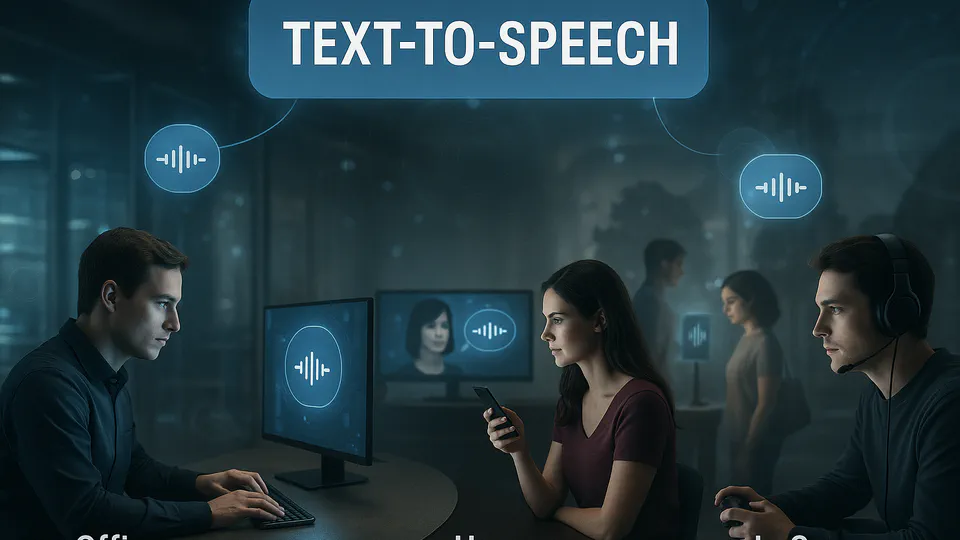
Where AI speech synthesis stands in early 2025: hands-on test results, and why realistic text-to-speech is already displacing professional voice talent.
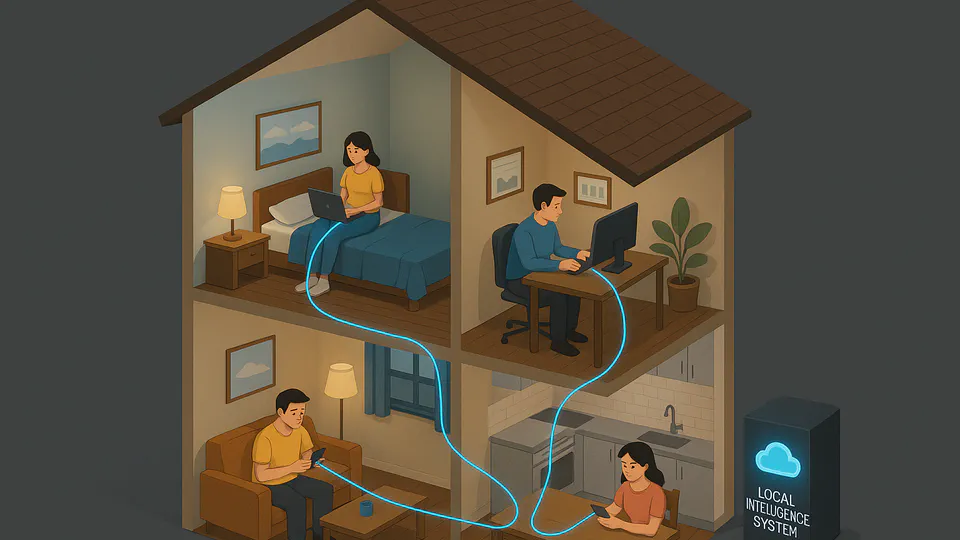
Local Intelligence, an Important Step in the Future of MAD (Mass AI Deployment)
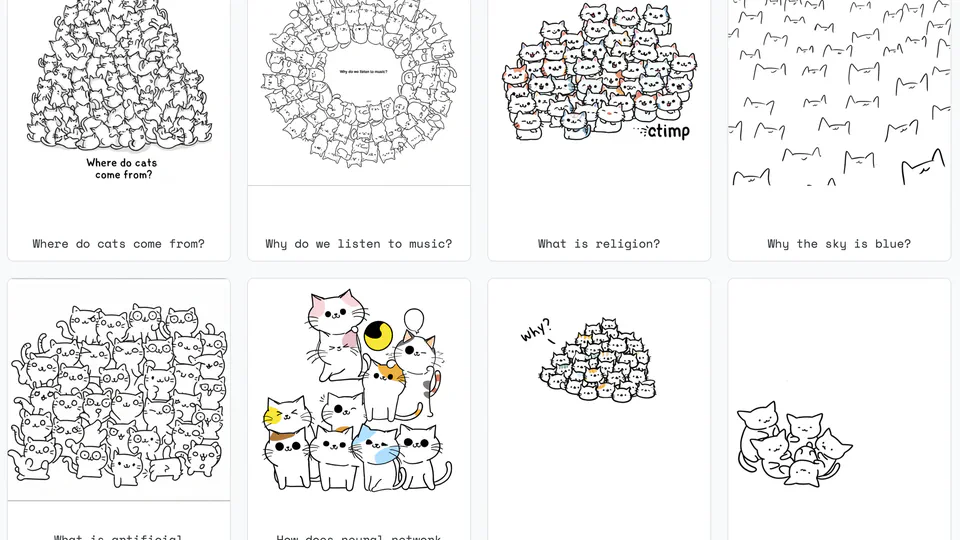
Could AI make learning genuinely fun? On using AI as a storyteller — with humor, characters, and tiny cats — to make complex ideas engaging for kids.
“We shape our tools and thereafter our tools shape us.” — Marshall McLuhan
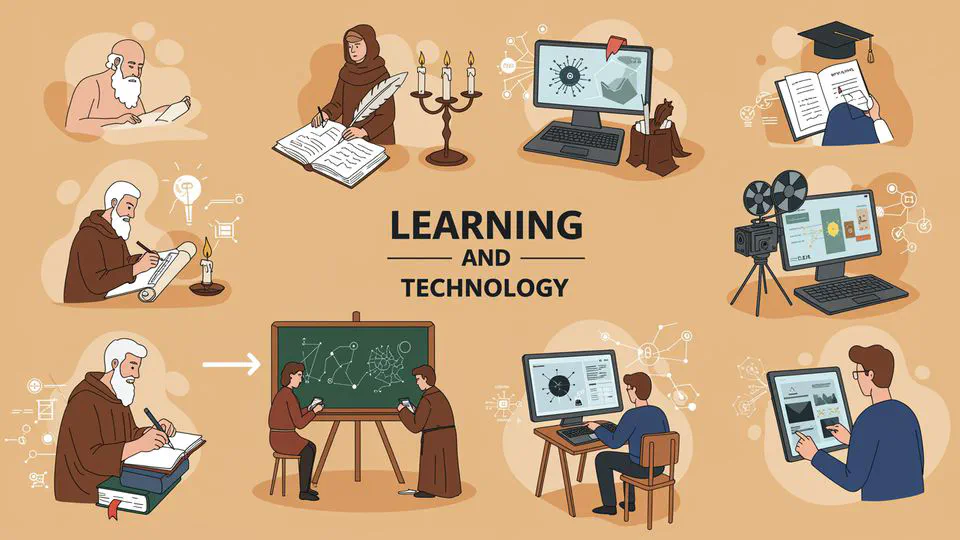
A 2024 primer on the technologies reshaping how we learn, framed by McLuhan's idea of media as extensions of man.
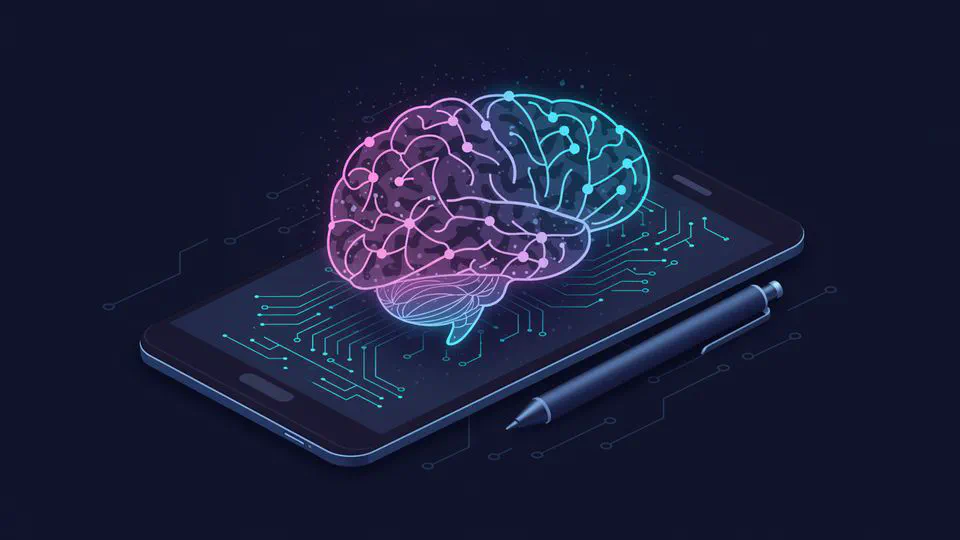
MindDraft is a next-generation writing app designed to transform the writing process into a fully collaborative experience.
Lean, UX, Clicking Buttons and Starting a Tesla
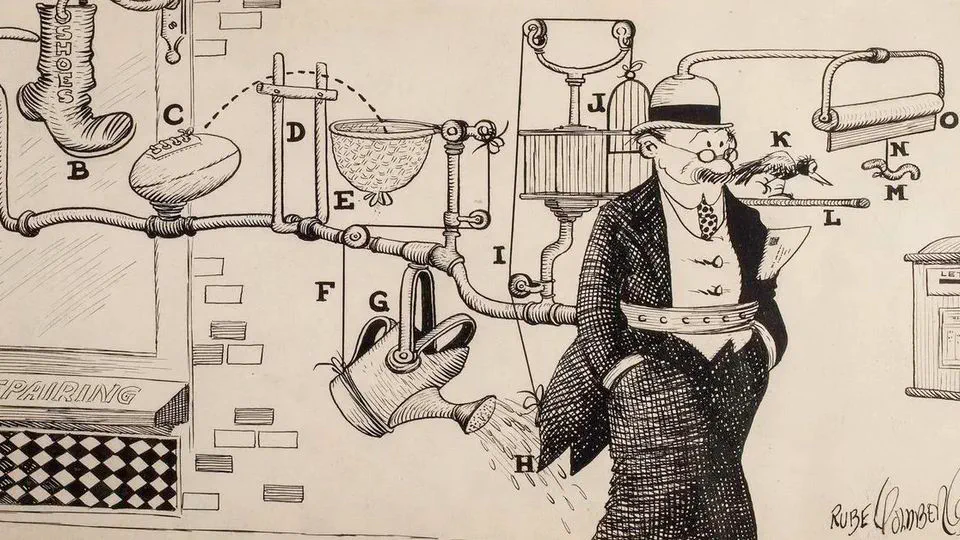
A 2011 essay placing handwriting on the iPad — 'tabwriting' — within the long history of writing technologies, from pen and paper to the keyboard.
How far have we gone to reproduce the human voice; are we there yet?