A personal account of how the book came to be — a project that began as a question about working with AI and became a theory of writing itself, arguing you should separate the durable idea from the disposable words.
AI produces "slop" (statistically average, fluent but hollow writing) not as a model failure but as an insight failure. Genuine originality requires standing at an uncrossed frontier that AI, trained entirely on the past, cannot structurally reach.
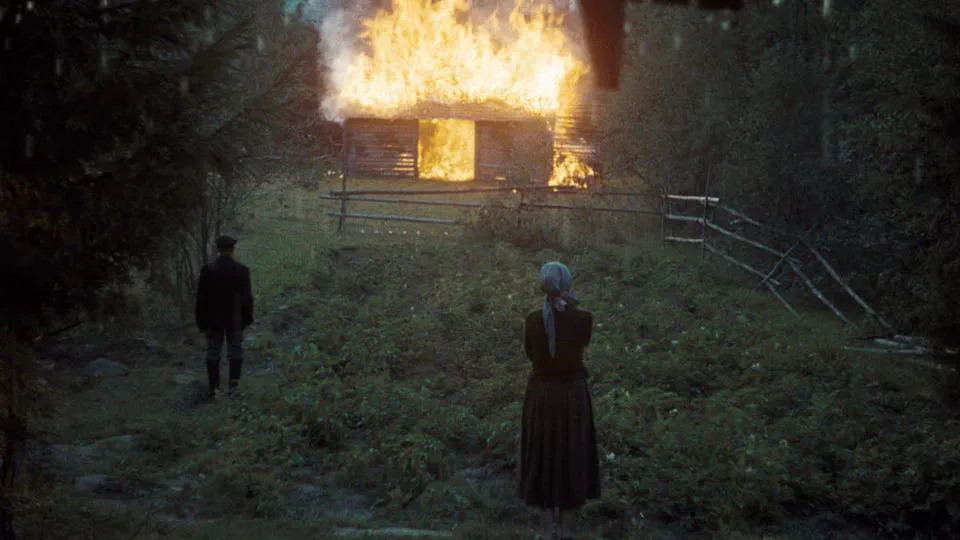
The essay explores cinema's 'mysterious characters'—figures whose opacity resists even patient observation—arguing that withholding creates gaps that transform viewers into co-authors of character.
We are on the cusp of entering an exciting new era in the realm of writing, which I refer to as the third stage, AI-collaborated writing.
Given by Ida, I'm not Madame Bovary, The Favorite
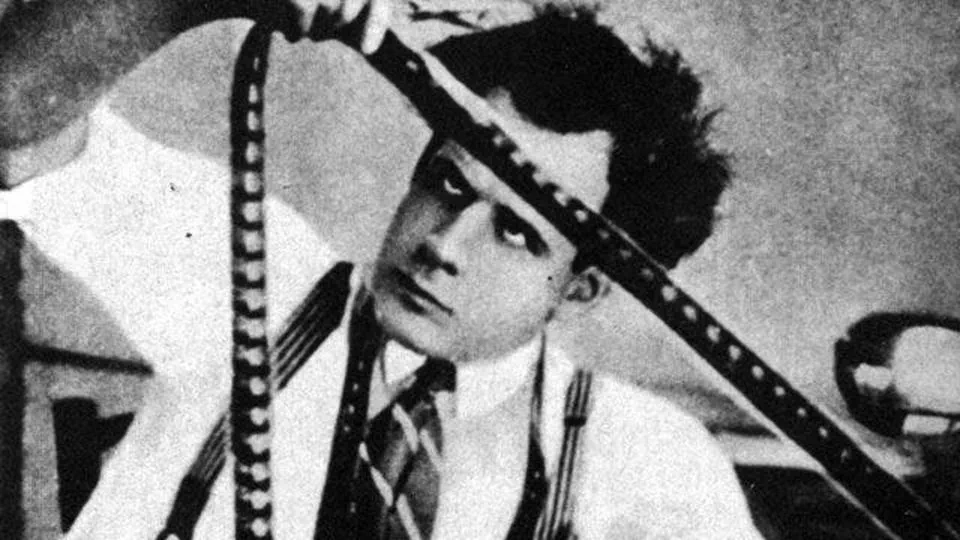
Eisenstein the Tailor
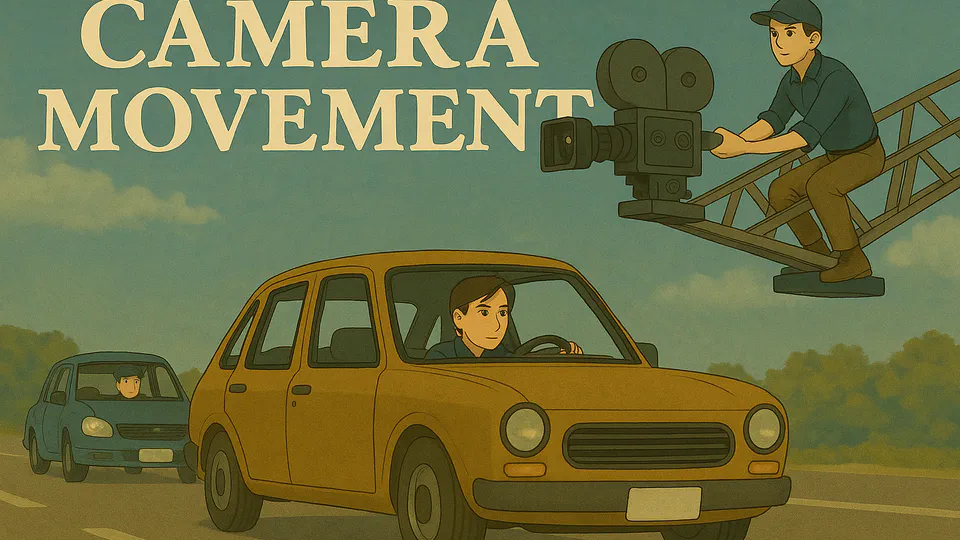
The most elusive topic in film aesthetics has almost no scholarship behind it. A lecture that builds a working theory of camera movement from scratch.
...but didn’t know how to ask
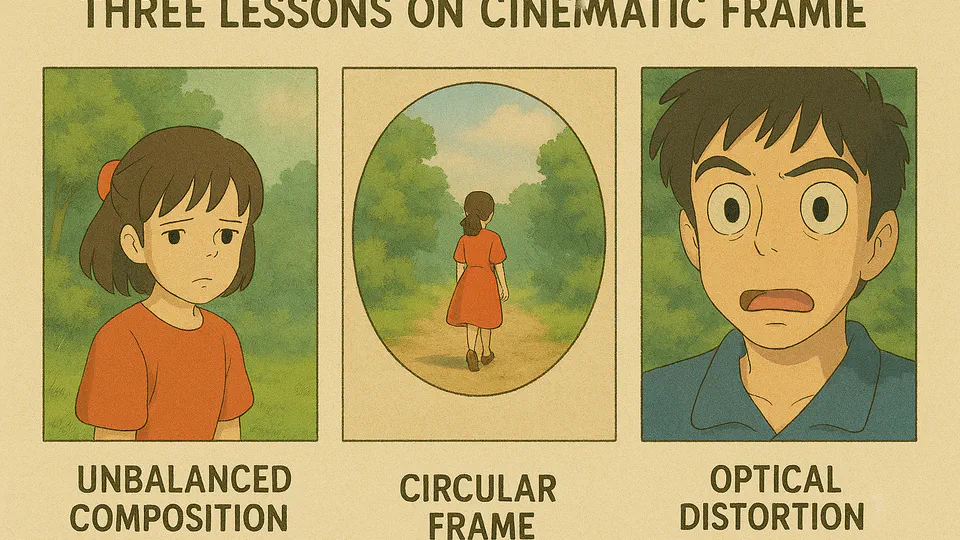
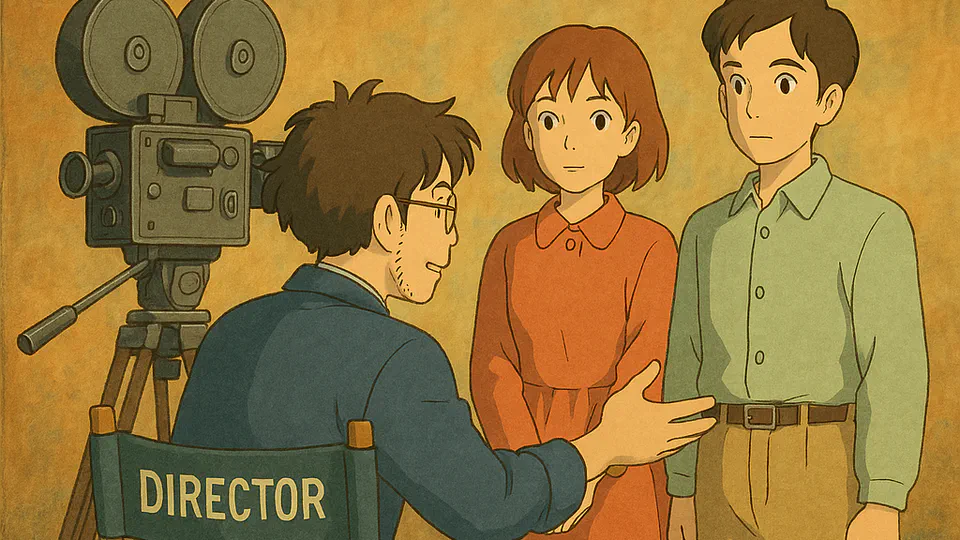
Film director is called metteur-en-scène because his or her primary role is staging
There are films that talk a lot; and there are films talk a little. But finally, there are films that don’t talk at all. Is talking essential to cinema?
My dissertation, resurrected for its ten years publication anniversary
A case study of camera movement in Max Ophuls — moving past style-spotting toward a theory that reads the moving camera as artistic sensibility.
Emotion, memory and senses are inseparable. One always evokes the other. This seemingly innocuous statement in fact leads to cinema’s greatest potential.
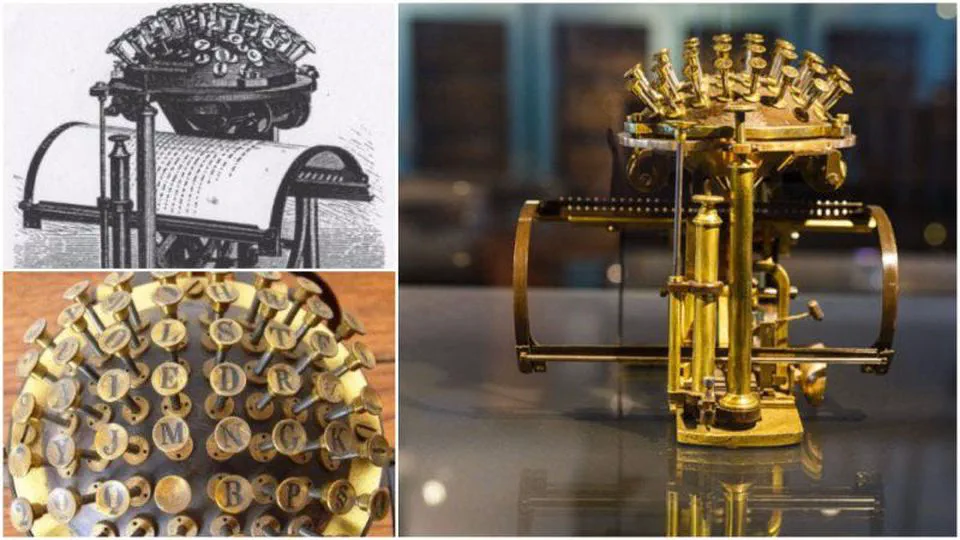
“We shape our tools and thereafter our tools shape us.” — Marshall McLuhan